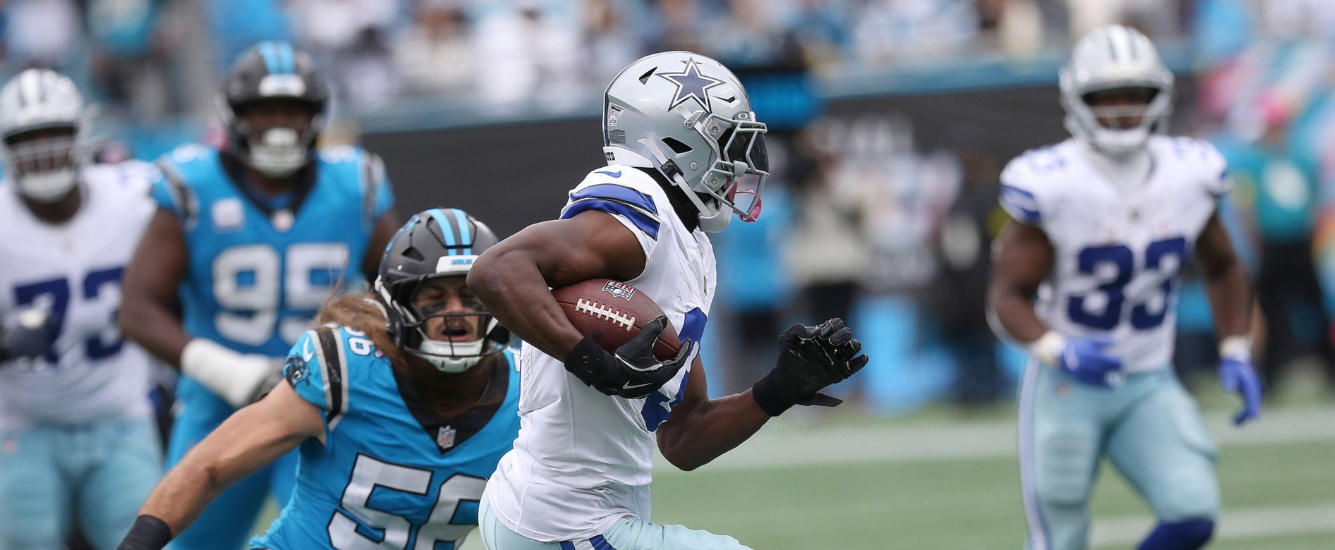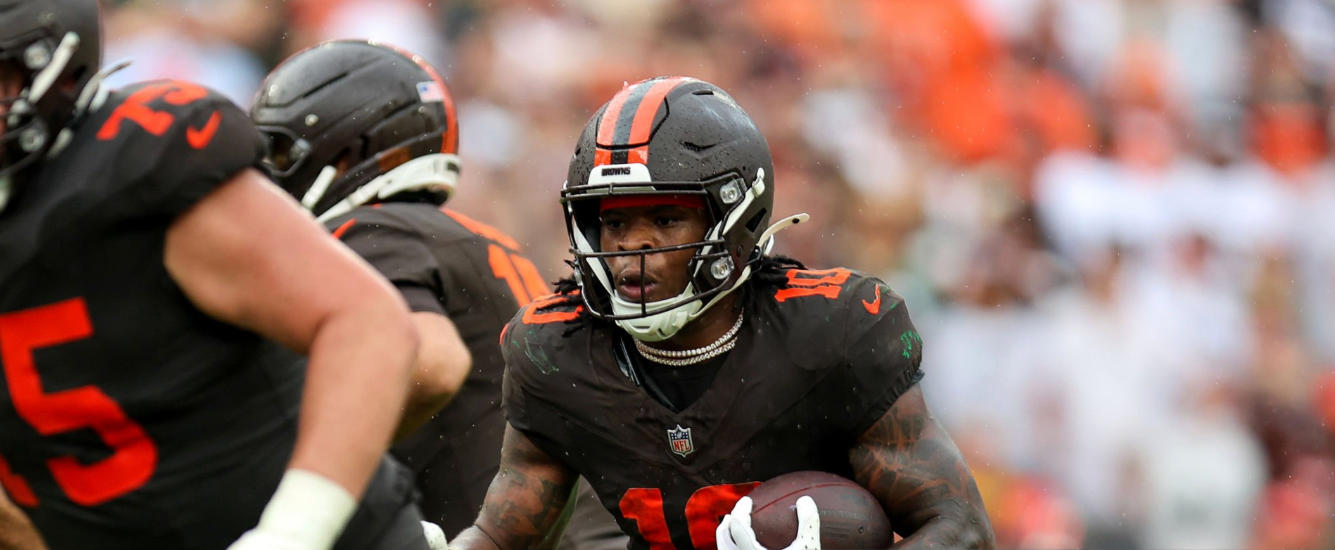

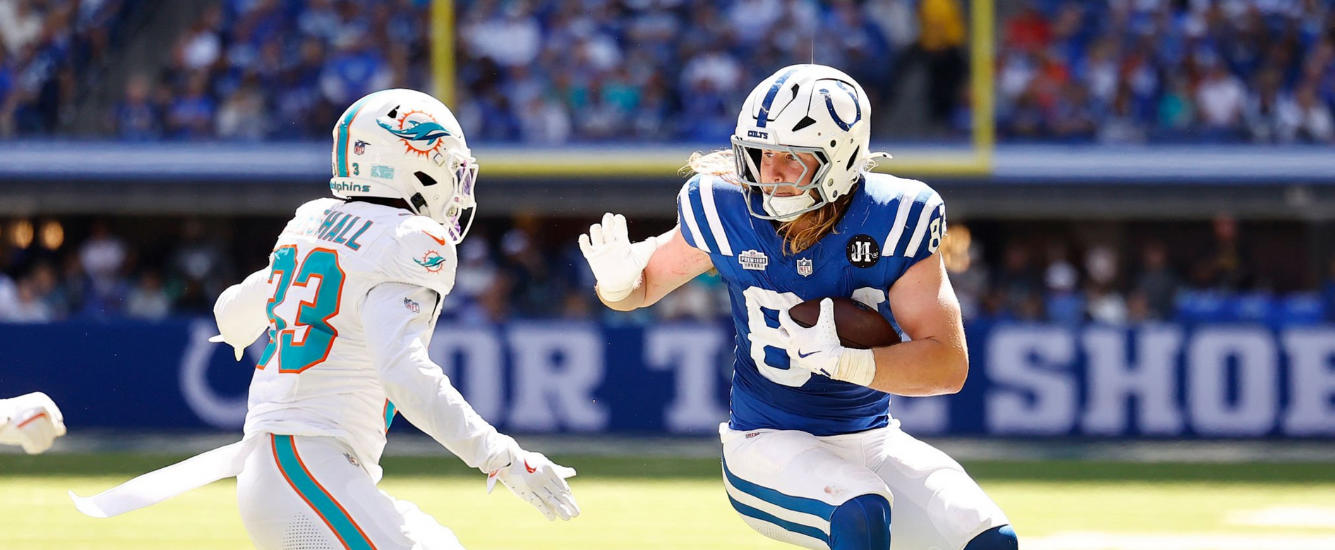

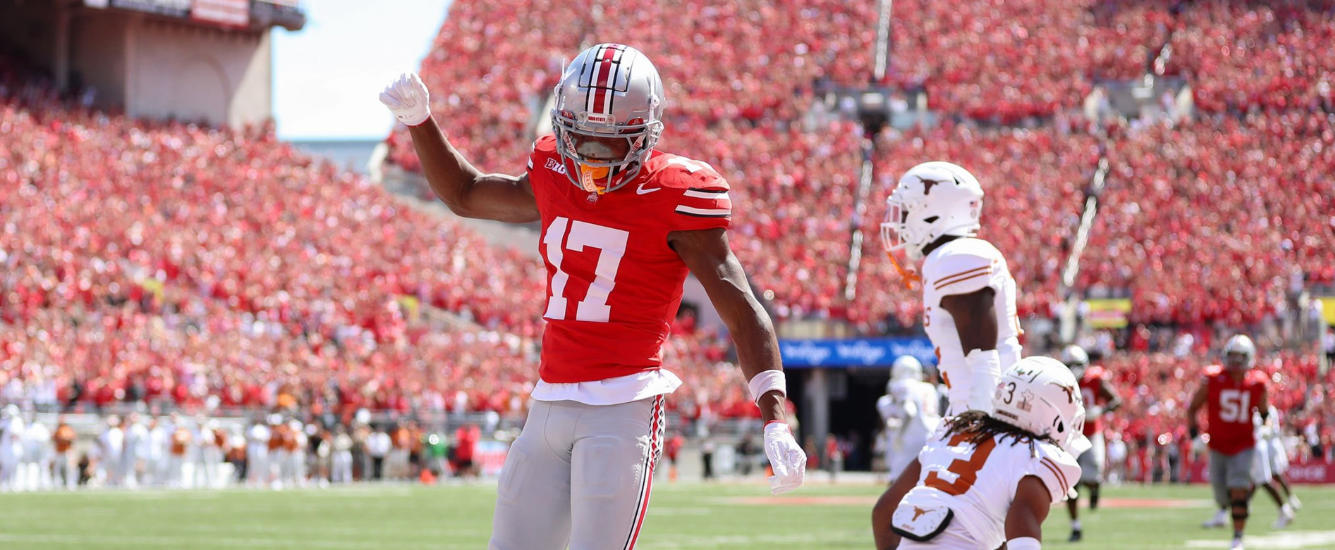
Almost a year ago, I looked at FFPC superflex rookie drafts going back to 2020 and examined them with this in mind: What if the goal all along was to fade early-round QBs?
Well, I was all set to do the same analysis of the 2026 class, but, in case you missed it, only two first-round QBs were selected in last weekend’s reality draft, so the “fade early-round rookie QBs” fantasy drafting philosophy shouldn’t be too difficult to put into practice this year.
Nevertheless, that’s the angle I’m taking here, in an attempt to use my examination of past drafts to try to inform us about this one. For those who don’t have the date circled on their calendars: Saturday, May 2, is the start of FFPC rookie drafts, including RotoViz Triflex leagues, which are the focus here. Triflex leagues are superflex format, with premium scoring for tight ends, no kickers or team defenses, and with three required wide receivers instead of two.
That year-ago exercise concluded:
The goal here isn’t to blindly adhere to a singular strategy; if, for example, you find yourself with a pick where the obvious choice is a QB, the move would be to trade back. Failing that, then if the QB is the best player available, he should be your pick.
Where it gets tricky is if the QB isn’t the best player available, but he’s the player with the most trade value — often, this is the trap dynasty managers fall into, where they opt for an extraneous QB over a non-QB who’s the better prospect, thinking that they can just hold backup QBs for ransom. Sometimes, this works. Mostly, it doesn’t.
The overall premise is simple: Fantasy managers in superflex leagues deem QBs so important that most find it necessary to have at least three starters, while others may have more. That makes QBs overvalued, especially because any one team can start only two. I’m in multiple FFPC Triflex leagues, all of which were forced to cut to a maximum of 16 players by the end of March. On average, my leagues have 36.6 QBs rostered.
The strategy, then, is to