

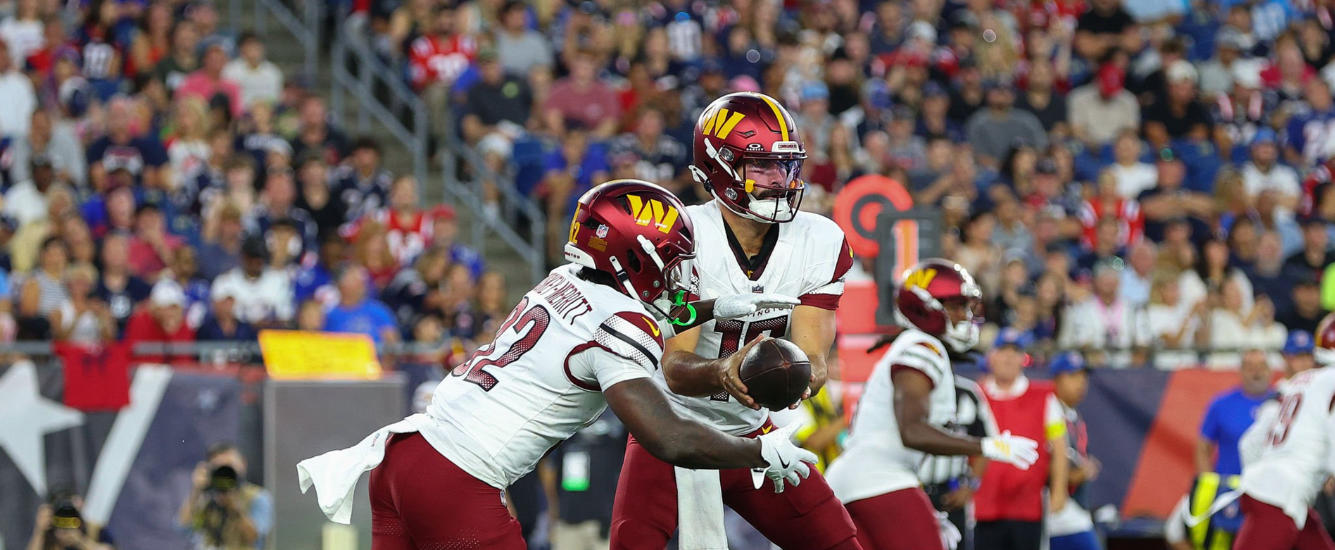

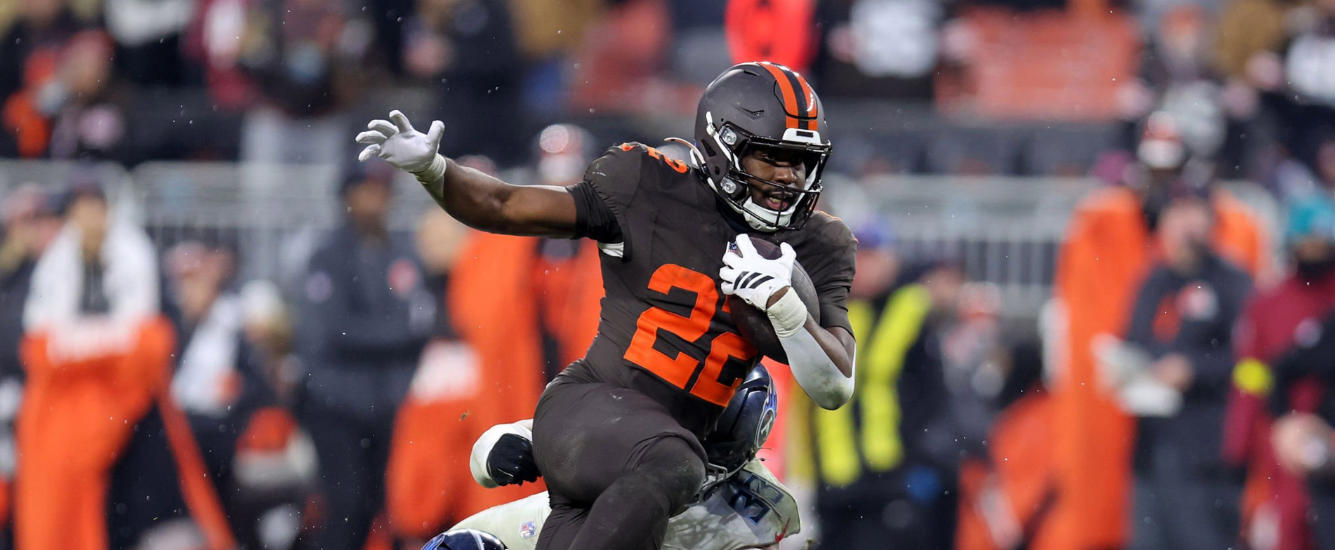



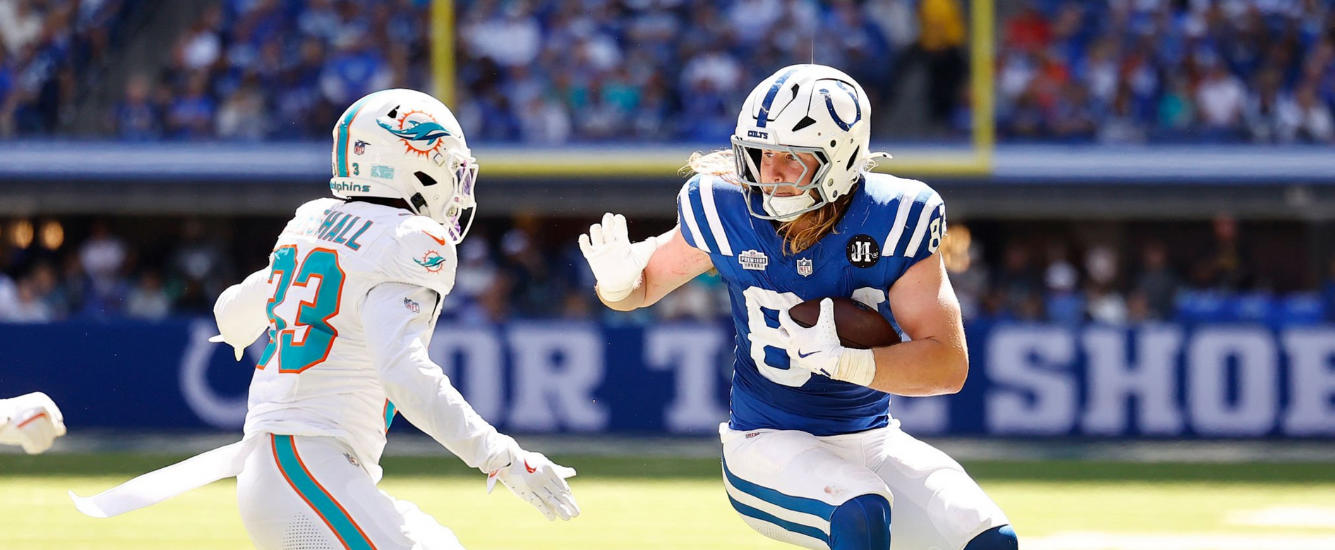

Kevin Szafraniec highlights a handful of quarterbacks that dynasty managers should target based on discrepancies between their RotoViz Triflex Dynasty rankings and their current market value.
There are no days off for dynasty managers, as it is truly the fantasy format that never sleeps. However, there are certain times of the year when the trade market is considerably more active, especially on platforms like the FFPC that institute roster cutdown deadlines multiple times a year. With the first FFPC cutdown deadline fast approaching on March 31, the trade market will be heating up over the next week.
When formulating dynasty trades, it is always a solid practice to have a finger on the pulse of public perception. This train of thought makes the use of crowdsourced trade calculators, in tandem with a set of more personalized rankings, a good way to harvest solid value in deals. For this exercise, I used Keep Trade Cut to gauge current market values, but there are a number of resources available to fantasy managers who want to go another route. When it came to the other side of the equation, I relied on the RotoViz Triflex Dynasty rankings.
To maintain apples-to-apples comparisons, I will present each player’s value in terms of rookie picks. One observation that became apparent early on is that fantasy managers are (rightly) valuing rookie picks for 2027’s potentially generational draft class considerably higher than selections for this year’s less intriguing crop of prospects. For this reason, each player’s market value is laid out in terms of both 2026 and 2027 rookie draft capital.
For the purpose of this article series, I will be focusing specifically on the FFPC RotoViz Triflex Format. These leagues differ from more traditional offerings on FFPC by featuring starting lineups that include three wide receivers and two flex spots, in addition to a superflex slot, while omitting kickers and defenses. As is the case with all FFPC leagues, Triflex scoring settings are tight-end premium. Another wrinkle to account for when trading away future picks in managed leagues is the backdraw for the 1.01, which is held among the six teams that fail to make the playoffs. The best ball iterations of the Triflex format are strictly points-based, running from Weeks 1-17, with the top scorer being crowned champion.
We’ll kick things off by looking at a position that is always in high demand in superflex leagues: quarterback.
Are you itching to start wheeling and dealing? Pick up a dynasty orphan at the FFPC today! With teams starting as low as $1, there’s no reason not to pick one up. New FFPC users can save $25 off their first team of $35 or more by using code 25ROTOVIZ or by following this link!
A Brief Introduction
For years, Shawn Siegele has been writing articles focusing on how to create a permanent championship window in dynasty leagues through the art of perpetual reloading. For anyone who is not well-versed in the strategy, it is worth going back and combing through Shawn’s dynasty workshops, past and present.
While I will not revisit all the finer points of Shawn’s articles from the past six years, one idea that is consistently at the forefront of my mind is that we should be crafting deals in which the two managers involved in the trade win and the other 10 managers in the league lose. These types of transactions will help build better working relationships with our fellow managers and lead to more fruitful trade discussions over the long term.


